Patient Corner
Everything you need to prepare for your visit, understand your condition, and manage your health between appointments.

Educational Resources
Curated guides and information to help you better understand and manage your endocrine condition.

Blood Sugar Monitoring Guide
Learn how to monitor your blood glucose correctly, understand your readings, and when to contact your doctor.
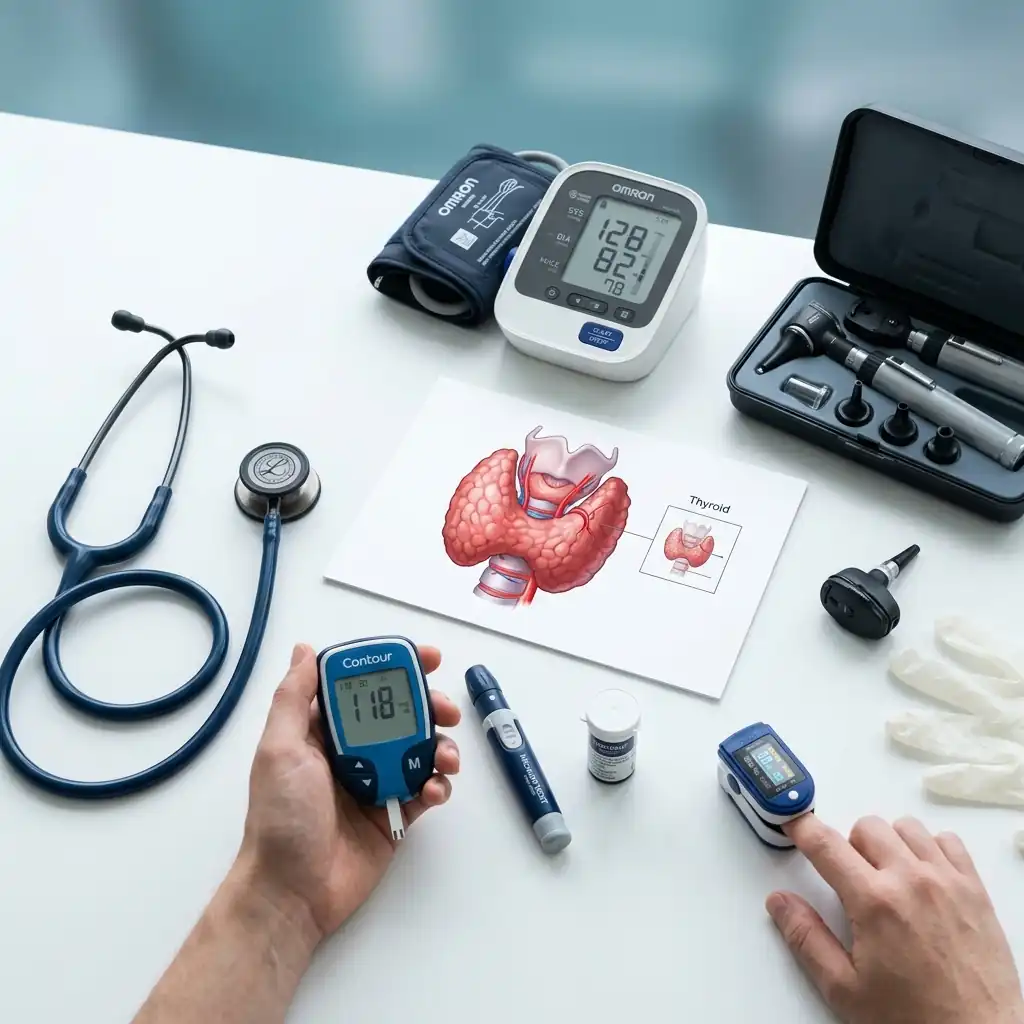
Thyroid Self-Check
A step-by-step guide to performing a basic thyroid self-examination at home to detect any neck lumps.

Healthy Eating for PCOS
Evidence-based dietary recommendations for women with PCOS to manage symptoms and improve hormonal balance.

Understanding HbA1c
Understand what your HbA1c number means, what the target should be, and how to work toward better control.
Medications & Side Effects
Information about common endocrine medications, how they work, and what side effects to watch out for.
Exercise for Diabetes
Safe and effective exercise guidelines for people with diabetes, including precautions and monitoring tips.
Need personalized guidance? These resources are general guides. For advice specific to your condition and medication, please book a consultation with Dr. Sahu.
Common Questions Answered
Don't see your question here?
What to Bring to Your First Visit
- Previous medical reports and blood test results
- List of current medications with dosages
- Referral letter from your GP (if any)
- Glucometer with recent readings (for diabetic patients)
- Details of symptoms including onset and duration
- Family history of hormonal or metabolic conditions
Before Blood Tests
- Fast for 8–12 hours for fasting blood glucose and lipid tests
- Avoid thyroid medication before TSH tests (consult doctor)
- Drink water — staying hydrated is fine during fasting
- Avoid heavy exercise the day before hormonal tests
- Note any medications that may affect test results
- Come for morning tests when possible for accurate results